


Wear knee sleeves on heavy lower-body days, high-volume squat/hinge blocks, and in cool gyms or long sessions to add warmth, proprioception, and even compression so your squat groove stays consistent. Skip them for technique drills and very light days to keep your raw control sharp. If you’re comparing styles and sizes, open this first: Knee Sleeves Collection

What knee sleeves actually do (no fluff)
-
Warmth: they keep the joint warm between sets so the first rep of each set feels less “sticky.”
-
Proprioception: gentle pressure improves “where is my joint?” awareness, helping you track knees over toes consistently.
-
Even compression: reduces distracting “noise” around the joint during hard sets so you can focus on bracing and bar path.
They’re a performance aid, not a medical device. If you have persistent pain, get it checked—then use sleeves for warmth and consistency once you’re cleared. To browse options and sizing charts in one place: Knee Sleeves Collection
When to use knee sleeves (by scenario)
-
Heavy squat or deadlift days (RPE 8–10): Wear sleeves on your last warm-ups and all working sets to lock in a steady pattern under load.
-
Volume blocks (5–10 reps, many sets): The warmth and gentle compression reduce fatigue “noise” so technique stays cleaner deep into the session.
-
Tempo and pause work: Long eccentrics and pauses benefit from consistent joint feedback; sleeves help you keep that stacked feeling.
-
Cool gyms / outdoor training: Sleeves keep knees warm between sets, so “first reps” don’t feel like a re-warm-up every time.
-
WODs or mixed sessions with squats/hinges/jumps: Use sleeves for barbell and landing phases; peel them down or off for pure cardio blocks.
If you want a simple place to start (5 mm vs 7 mm, colours, sizes)
When not to use them (and why)
-
Technique-only or very light days: Train your intrinsic control; sleeves are optional.
-
To mask pain: Don’t “sleeve through” red flags—address the cause.
-
When tightness blocks depth: That’s a sizing or thickness mismatch. Adjust the fit or switch models.
Thickness and cut: choose for the job
-
5 mm sleeves: More mobility and comfort for long sessions, high-rep accessories, and WODs. Great all-rounder if you’re in the gym 60–120 minutes.
-
7 mm sleeves: Denser, warmer feel for heavy barbell cycles and peaking phases; many lifters use 7 mm on top sets and 5 mm for the rest.
-
Anatomical/tapered cuts: Reduce bunching behind the knee and edge-roll at the patellar tendon.
Fit and sizing (fast, accurate, repeatable)
-
Measure with a slight knee bend (15–20°).
-
Lower thigh at its largest point and upper calf at its largest point.
-
Use the larger measurement to find your size on the product chart.
-
Between sizes? Go down for performance-tight (short, heavy sets). Go up for snug training fit (long sessions).
Target feel = snug, not numb. You must be able to hit depth, stand up cleanly, and feel no tingling.
Lift-by-lift: how to use sleeves for real results
Back Squat (high-bar or low-bar)
-
Put sleeves on for last warm-ups.
-
Height: adjust so the upper edge doesn’t jab ribs at depth.
-
Cue: big breath, brace 360°, knees track over toes, sit between hips.
Front Squat
-
Often a touch higher sleeve position than back squat to clear deep flexion.
-
Cue: elbows high, torso tall; sleeves support consistent knee travel.
Deadlift
-
Many wear sleeves for warmth on ramp-up sets; some remove them for the heaviest pulls to avoid any fabric catching at the start.
-
If the cuff grabs the bar, raise sleeves 1–2 cm.
Lunge/Split Squat/Jump work
-
Proprioception really helps here. For jumpy sessions, 5 mm usually feels better than 7 mm.
WODs / Circuits
-
Tighten for barbell segments; peel down (or off) for cardio stations to keep cool and fast.
Round out your support chain on heavy days: Wrist Wraps
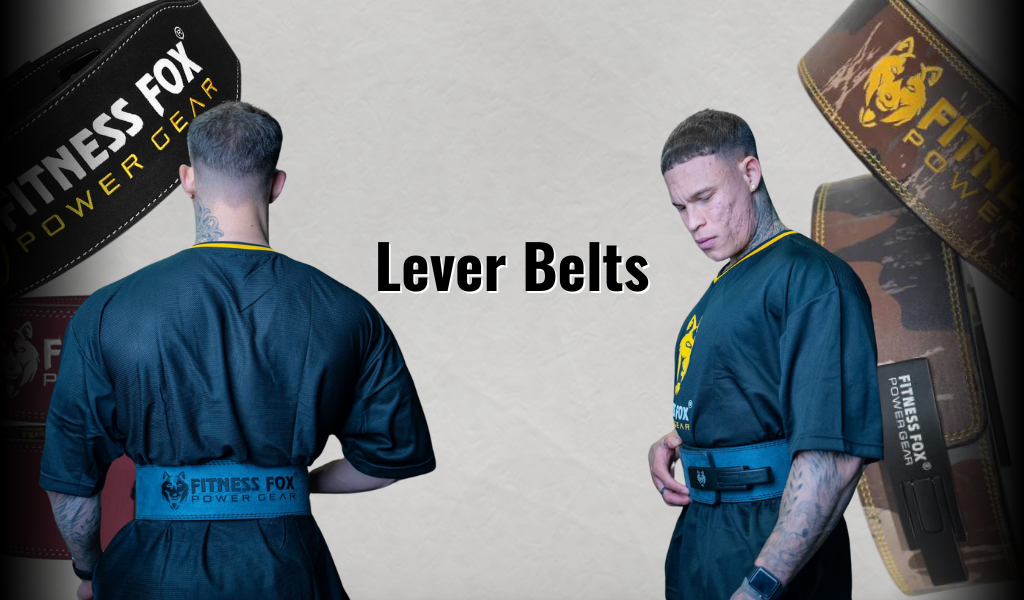
Stabilise your brace for squats and pulls: Lever Belts
Quick chooser
|
Training scenario |
Sleeve thickness |
Primary benefit |
How to wear it |
Add-ons that stack well |
|
Heavy singles/triples (peaking) |
7 mm |
Denser compression + warmth |
On from last warm-up |
|
|
Long hypertrophy sets (5–10 reps) |
5 mm |
Comfort + mobility across time |
Keep on whole block |
|
|
Cool gym / outdoor sessions |
5–7 mm |
Warmth between sets |
Peel down between movements |
|
|
WODs with squats/hinges/jumps |
5 mm |
Fast on/off + enough support |
On for barbell, off for cardio |
Knee Sleeves Collection |
|
Return-to-train (clinician-cleared) |
5 mm |
Gentle proprioception |
On for working sets |
Fit diagnostics (fix issues in 10 seconds)
|
Symptom |
Likely cause |
Instant fix |
|
Edge rolls or digs at depth |
Sleeve too low, too tight, or wrong cut |
Raise 1–2 cm, or move from 7 mm to 5 mm |
|
Numbness/tingling |
Too tight |
Size up, or choose a snug training fit |
|
Slides down mid-set |
Too loose |
Size down or switch to a firmer model |
|
Pinch behind the knee |
Bunching from cut/position |
Try an anatomical cut, or raise sleeve slightly |
|
Can’t hit depth |
Over-tight or very stiff model |
Loosen or use 5 mm for mobility blocks |
Programming: when to belt up the knees (and when to skip)
-
Use sleeves on hard working sets, fatigue-heavy volume, and any day the gym is cold.
-
Skip sleeves for warm-ups, technique flows, and machine-only days—keep the motor control sharp.
-
Hybrid strategy: sleeves for the main compound, off for accessories so your knees experience both supported and unsleeved patterns.
Stack the rest of your setup so joints feel consistent from hands to hips:
Common mistakes (and what to do instead)
-
Choosing by height/weight or jeans size
Limbs don’t scale cleanly with those numbers. Measure lower thigh and upper calf and use the chart. -
Wearing max-tight all session
Save performance-tight for heavy sets; for long sessions, pick snug. You’ll last longer and move better. -
Ignoring asymmetry
Size to the larger leg. On the smaller side, raise the cuff slightly between sets. -
Never adjusting height
Squat vs deadlift vs jumps often want slightly different sleeve heights. Log what works and repeat it. -
Letting sleeves stay damp
Moisture kills compression over time. Air-dry sleeves immediately post-session.
Care and longevity (protect compression—and your money)
-
Air-dry, inside-out after training.
-
Cold wash occasionally with mild detergent; no hot dryers.
-
Roll off from the cuff—don’t yank seams.
-
Store clean, dry, and out of direct heat.
-
Train 4–6 days per week? Keep two pairs—one performance-tight for heavy days, one snug for volume. Rotation keeps compression crisp.
FAQs
Do knee sleeves make you stronger?
-
They don’t add strength directly; they help you express strength more consistently by keeping knees warm and feedback steady.
Should I wear them for every set?
-
No. Use them on working sets and heavy days; keep some unsleeved practice for motor control.
5 mm or 7 mm?
-
5 mm for mobility and long sessions; 7 mm for heavy barbell cycles and peaking. If unsure, start with 5 mm and add 7 mm later for top sets.
How tight should they be?
-
Snug, not numb. Full ROM without tingling or colour change. Between sizes? Down for short, heavy sets; up for long sessions.