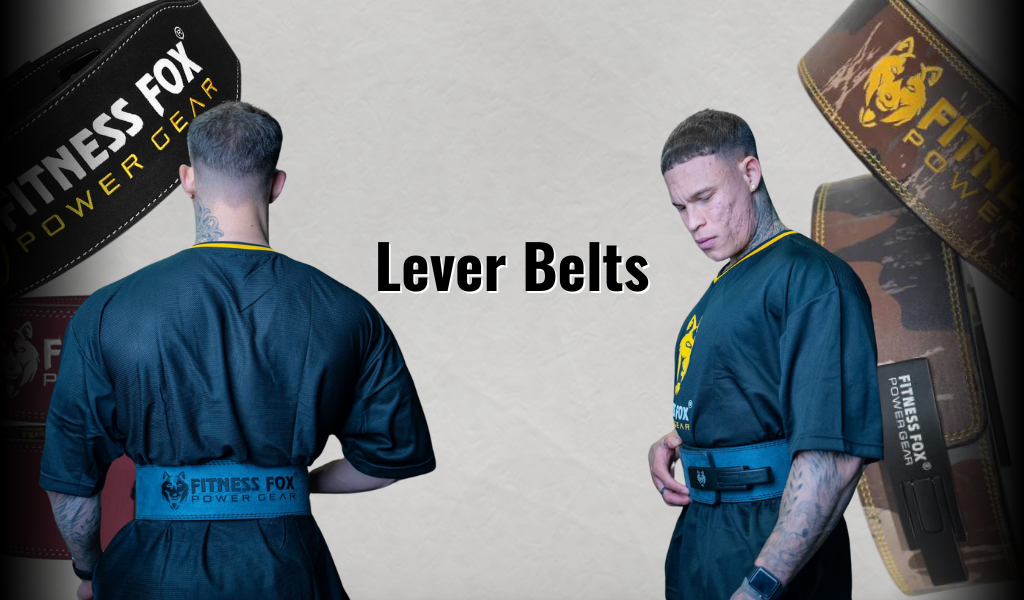




Set the belt at your navel, keep it level, and tighten to a braceable setting—you can still inhale, then push your belly, obliques, and lower back into the belt before the lift. Use it on heavy compound movements and any workout where fast on/off matters. Start with your true navel measurement and pick a model from Nylon Belts. If you decide you want a stiffer option for max attempts, compare Lever Belts

Why nylon—and when it beats leather
Leather is king for maximum stiffness, but nylon wins in scenarios you actually face most weeks:
-
Fast transitions: quick-lock closures let you pop it open between movements and re-tighten in seconds—perfect for circuits and metcons. See Nylon Belts .
-
Comfort and mobility: lighter, softer edges, and easier break-in for long sessions and accessory work.
-
Micro-adjustability: velcro/quick-lock systems give you notch-by-notch control as your waist shifts through warm-ups, working sets, and post-meal training.
-
Cost and versatility: a nylon belt is usually the smartest first purchase; add a leather or lever belt later if you need cast-like stiffness. Browse Lifting Belts for the full range.
Fit and position (60-second setup)
-
Height: position the belt at or just above the belly button—the spot where your torso expands most when you brace. If the top edge hits ribs at the bottom of a squat, drop it slightly lower; if it digs into hips on a deadlift, raise it a bit.
-
Level: keep the belt horizontal all the way around—front, sides, back. A tilted belt leaks pressure.
-
Tightness: the belt should feel firm, not suffocating. You must be able to take a full breath, then expand 360° into the belt and feel it push back. If you can’t breathe, it’s too tight; if it spins around your torso, it’s too loose.
Ready to try on fits and closures? Nylon Belts
Step-by-step: how to use a nylon belt on each lift
Squat
-
Set height so the upper edge doesn’t jab your ribs at depth.
-
Big breath standing tall; pull the bar down to your back (if low-bar) and brace 360° into the belt.
-
Sit between your hips—don’t dump into your low back—then drive up keeping ribs over pelvis.
-
If you fold at the bottom, you’re under-bracing; reset and push your obliques/back into the belt.
Tip: many lifters prefer slightly lower placement for squats than for presses. If you rotate between high-bar and low-bar, test both heights. Find options in Nylon Belts.
Deadlift
-
Start a touch higher than squat so the belt doesn’t catch your hip crease.
-
Set your hinge: shins close to the bar, lats tight, neutral neck.
-
Big breath before you pull slack out of the bar; brace into the belt, then push the floor away.
-
If the belt blocks your hinge, raise it 1–2 cm or loosen by one notch.
Tip: conventional pullers often go higher than sumo pullers. Experiment during warm-ups, not PRs. Compare belt types in Lifting Belts.
Overhead Press
-
Set the belt around the navel; not too low (you’ll arch).
-
Squeeze glutes, stack ribs over pelvis, breath in and brace before the dip/drive.
-
If you overextend (lean-back press), the belt may be too low or too loose—raise it slightly and cue “ribs down.”
Tip: if you train jerk/push-press clusters, nylon’s quick-lock is a gift. See Nylon Belts.
Bench Press (optional but useful)
-
Belt can help some lifters keep a compact ribcage and stronger leg drive.
-
Wear it a bit higher than squat; brace lightly on the unrack to maintain upper-body tension.
-
If it restricts your arch, loosen one notch or skip on bench days.
Metcons & circuits
-
Tighten the belt for heavy barbell segments; flip open the quick-lock for bodyweight or cardio stations.
-
The rhythm: tighten → heavy set → open → transition → re-tighten. That’s precisely where nylon shines. Start with Nylon Belts.
How tight is “right”? (fast diagnostics)
|
Sign |
What it means |
Fix in 10 seconds |
|
You can’t draw a full breath or feel dizzy |
Too tight |
Loosen one notch; re-brace 360° |
|
Belt rides up or twists mid-set |
Too loose or belt too high |
Tighten one notch; try 1–2 cm lower |
|
Sharp rib or hip pinch |
Height mismatch |
Nudge up/down 1–2 cm; keep belt level |
|
Bar path drifts / torso collapses |
Under-bracing |
Bigger breath, expand into belt, cue “ribs over pelvis” |
If you routinely need more resistance from the belt on top singles, explore Lever Belts for stiffer support while keeping nylon for metcon days.
When to belt up (and when to skip it)
-
Belt up: top sets, PR attempts, barbell work at RPE 7–9, long fatigue blocks where form deteriorates.
-
Skip it: warm-ups, technique drills, rehab patterns—keep your intrinsic bracing honest.
-
Hybrid approach: use the belt on the main lift; remove it for accessories to train variability and trunk endurance.
If you want a one-belt solution that handles both strength days and circuits, stick with Nylon Belts. If you’re shifting into a peaking block, compare a stiffer option in Lever Belts.
Sizing a nylon belt (do this once)
-
Measure at the navel while relaxed—no sucking in, no “jeans waist” guesswork.
-
Choose the size where your number sits near the middle of the belt’s range; that gives you wiggle room for seasonal weight, clothing layers, and water retention.
-
If you train in a hoodie, keep one notch looser for warm-ups; tighten for top sets.
-
In metcons, you’ll open/close the belt often—this is where nylon’s quick-lock and velcro shine.
If you’re unsure which size window you belong in, check the product charts inside Nylon Belts. For a stiffness comparison or a leather upgrade later, see Lifting Belts.
Product chooser (use-case → belt pick)
-
CrossFit/metcons, fast transitions, circuits: start with Nylon Belts for easy on/off and micro-adjustment.
-
General strength training (squats, deads, presses) with long sessions: nylon remains the most comfortable choice—but if you find yourself craving more wall-like resistance during heavy singles, add a dedicated option from Lever Belts.
-
Peaking heavy singles or competing: keep nylon for volume days and grab a stiffer choice for max-out sessions. Explore Lever Belts.
Want to browse everything belts in one place? Lifting Belts.
Technique cues that make belts actually work
-
Sequence matters: stance set → breath in → expand belly/obliques/back into belt → brace → move.
-
360° pressure: don’t just push the belly forward; push sideways into the obliques and back into the belt too.
-
Ribs over pelvis: avoid flaring ribs on the breath; stack your torso, then brace.
-
Reset every rep on heavy work: tall, big breath, brace, go. Belts amplify good patterns—they won’t fix bad ones.
Common mistakes (and quick fixes)
-
Wearing it at jeans height
The belt belongs at navel height, not around your hips. Move it up and retest your brace. Nylon Belts. -
Cranking it until you can’t breathe
A belt you can’t breathe into is a belt you can’t brace into. Loosen one notch and re-test with a big inhalation and 360° expansion. -
Never adjusting between lifts
Squat and deadlift want slightly different heights for most lifters. Log your settings and tweak 1–2 cm per lift until it’s automatic. -
Only bracing forward
Practice expanding your obliques and low back into the belt. Palpate your obliques with fingertips—feel them press into the belt as you inhale. -
Expecting nylon to feel like a lever belt
Nylon is intentionally more forgiving. If you’re regularly missing top singles and feel like you’re “falling into the hole,” consider a stiffer option from Lever Belts while keeping nylon for everything else.
Care and longevity (protect your compression)
-
Air-dry after training: open the belt and let it breathe—don’t trap moisture in a gym bag.
-
Wash occasionally: cool water, mild detergent, then air-dry.
-
Storage: hang or lay flat out of direct heat to keep the webbing true.
-
Velcro hygiene: remove lint/debris so it grips consistently.
-
Quarter-turn rule: if your belt uses a screw/quick-lock, check hardware every few weeks.
FAQs
Where exactly should I wear a nylon belt?
-
At or just above your belly button, level all the way around. That’s where you can create the most 360° pressure. Try placements during warm-ups, not PRs. Nylon Belts.
How tight should it be?
-
Tight enough that you can inhale deeply and press into it from every direction, but not so tight you lose the breath. If you get light-headed after locking it, loosen one notch and re-brace.
Do I need it for every set?
-
No. Use it for heavy top sets and fatigue-heavy work. Keep some un-belted sets for skill and trunk endurance.
Nylon or leather?
-
Use nylon when you want comfort, quick on/off, and long-session versatility. Use leather/lever when you want the stiffest wall possible for max attempts. Compare options in Lifting Belts and Lever Belts.
How do I choose my size?
-
Measure at your navel, relax, then pick the size where your number sits near the middle of the belt’s range so you can tighten/loosen as needed. Check charts inside Nylon Belts.