



Use a slingshot 1–2 times per week for 4 weeks to groove a clean J-curve bar path, reinforce a quiet lower-sternum touch, and add triceps-driven lockout strength—without beating up your shoulders. Wear the band just above the elbow crease, keep wrists stacked over elbows, tuck on the way down, then press back toward the shoulders while flaring late. Pair the plan with simple support gear to keep positions repeatable:
Wrist Wraps
Elbow Sleeves
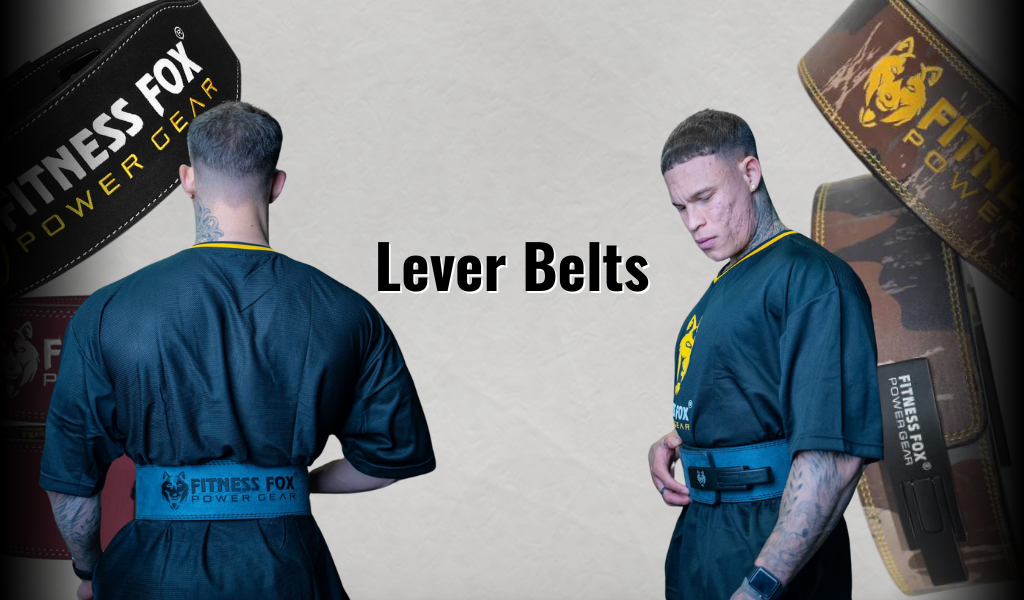
Lever Belts
Safety note: This template is educational and intended for adult athletes. If you’re under 18, new to benching, or dealing with pain, train only under qualified supervision and get cleared by a coach or clinician before attempting any overload work.
Why a slingshot block works (and what it won’t do)
What it does
-
Assists the weak range (off-chest to mid-range) so you can practice good bar path under slightly higher loads.
-
Acts like an elbow-tuck cue by gently guiding your arms and keeping the touch point honest.
-
Builds lockout by letting you accumulate high-quality reps where triceps finish the press.
What it won’t do
-
Fix shoulder pain or replace straight-bar specificity. The program below intentionally keeps one straight-bar day to preserve skill transfer.
Anchor your setup with repeatable support:
Wrist Wraps
Elbow Sleeves
Lever Belts
Non-negotiables before Week 1
-
Band placement: 1–2 cm above the elbow crease (not on the fold).
-
Scap set: shoulder blades down and together, pinned to the pad throughout.
-
Wrist stack: bar sits over the wrist; wrist stacks over elbow (no soft wrists). If wrists collapse, add support: Wrist Wraps
-
Touch point: lower sternum, quiet touch—no bounce.
-
Bar path intent: down to sternum, then back toward the shoulders (small J-curve), finishing with triceps.
-
Training Max (TM): use a conservative starting point (e.g., estimated 1RM × 0.95) to protect recovery and joints.
The 4-Week Slingshot Bench Program (2 bench days per week)
-
Day A = Slingshot Overload Day (mid-range power, lockout focus)
-
Day B = Specificity Day (straight-bar, paused control)
-
Progress only if bar speed, touch control, and elbow tracking remain crisp.
Weekly schedule
|
Week |
Day A – Slingshot (Main Work) |
Secondary (Day A) |
Day B – Straight Bar (Main Work) |
Secondary (Day B) |
|
1 |
4×3 @ 90–94% TM, RPE 7.5–8 |
3×6 Close-Grip @ 72–75% TM |
5×3 Paused Bench @ 77–80% TM, RPE 7 |
3×10 Chest-Supported Row |
|
2 |
5×3 @ 92–95% TM, RPE 8 |
3×6 2-Board or Mid-Pin Press @ 75–78% TM |
5×3 Paused Bench @ 80–82% TM, RPE 7–7.5 |
3×12 Triceps Pressdown |
|
3 |
6×2 @ 94–97% TM, RPE 8–8.5 |
3×5 Close-Grip @ 77–80% TM |
4×3 Competition Bench @ 82–85% TM, RPE 7.5 |
4×8 DB Row (heavy) |
|
4 (taper/test) |
3×3 @ 80–85% TM, RPE 6–7 |
2×6 Close-Grip @ 70% TM |
3×2 Paused Bench @ 78–80% TM, RPE 6.5 |
2×10 Rows (easy) |
Why it’s joint-smart: Slingshot day gives you overload where you’re mechanically weakest without grinding the shoulders; straight-bar day protects skill and touch discipline.
Setup checklist (60 seconds at the bench)
-
Band fit: slide the slingshot 1–2 cm above the elbow crease.
-
Grip width: start 1–2 fingers wider than competition grip; refine after two sessions.
-
Feet & brace: heels planted, glutes on pad, mild arch, ribs stacked over pelvis.
-
Unrack: elbows locked, blades still pinned—no shoulder shrug.
-
Descent: tuck slightly; forearms vertical to a quiet lower-sternum touch.
-
Press: drive the bar back toward the shoulders (J-curve), flare gradually, finish with triceps.
For elbow warmth and proprioception across pressing volume:
Elbow Sleeves
Slingshot bench form (rep-by-rep cues)
-
Unrack: “knuckles up, wrists stacked, blades pinned.”
-
Down: “tuck to sternum; forearms vertical.”
-
Pause/touch: “quiet touch—own the bottom.”
-
Press: “back, then up; flare late; triceps finish.”
-
Lockout: “elbows straight, blades in the pocket” (no protraction).
If your torso collapses on heavy doubles/triples, add global brace support:
Lever Belts
Coach’s table: setup → faults → fast fixes
|
Phase |
Key cue |
Common fault |
Fast fix |
|
Wear & fit |
Band 1–2 cm above elbow crease |
Pinches in the fold |
Slide band higher; confirm full elbow bend pinch-free |
|
Unrack |
Wrists stacked; blades pinned |
Soft wrists; shoulder shrug |
Wrap wrists; cue “knuckles to ceiling”; re-pin scap |
|
Touch |
Quiet lower-sternum touch |
High touch or bounce |
Reduce load; 1-sec pause until touch is silent |
|
Press |
Back toward shoulders (J-curve) |
Press straight up → mid-range stall |
Cue “back, not just up”; add pin/board work |
|
Lockout |
Triceps finish; scap set |
Protraction at top |
“Squeeze triceps; keep blades down/back” |
Load selection & progression (guardrails that keep you healthy)
-
Week 1 anchor: choose loads that meet the target RPE with perfect path.
-
Only increase 2–2.5% when speed and touch control are unchanged.
-
If RPE creeps past 8.5 or path degrades, hold or drop 2.5–5%. Quality > quantity.
-
Exit plan (Week 4): taper, then test a small straight-bar PR—don’t chase a banded PR.
Accessories that actually move your bench
-
Close-Grip Bench / Pin Press / 2-Board: triceps-dominant patterns that overbuild lockout.
-
Paused Bench (Day B): cements touch discipline and bar control.
-
Rows (heavy + volume): lats stabilize descent and keep path honest.
-
Scap/cuff hygiene: face pulls, external rotations—joint housekeeping so you can train tomorrow.
Minimal, high-impact stack (link these mid-article and in your final CTA):
Wrist Wraps
Elbow Sleeves
Lever Belts
Micro-drills (2–5 minutes) that hardwire good form
-
Paused-to-touch: 1-second sternum pause; cue “touch low, press back.”
-
Spoto press: 1–2 cm hover; teaches tension and an accurate J-curve.
-
3-count eccentrics: keeps tuck longer; eliminates high-chest touches.
-
Pin press (mid-range): builds the triceps finish your lockout depends on.
Warm-up (10 minutes, repeatable)
-
3–5 min easy row/bike + two thoracic openers.
-
Scap drill on bench: 2×10 retraction/depression without load.
-
Bar only: 2×15 focusing on stacked wrists and pinned blades.
-
Ramps: 3×5 at ~40–55–70% (straight bar), quiet touch every set.
-
Pattern primer: 2×3 paused at ~60–65%—practice lower-sternum touch and “back-then-up” press.
Programming notes (readiness & joint care)
-
Slingshot exposures: 1–2 per week is sufficient.
-
If the band “throws” you off the chest, lighten the load and keep a 1-sec pause.
-
Elbow crankiness? Trim accessory volume first; don’t yank the main skill work.
-
Respect the Week-4 taper so you arrive fresh for straight-bar testing.
Week-by-week feel & focus
Week 1 — Learn the tool
Outcome: accurate touch, smooth J-curve, wrists stacked all session.
Red flag: bouncing the touch → pause 1 s, reduce load.
Week 2 — Volume at quality
Outcome: more clean triples; close-grip/board work starts paying off.
Red flag: mid-range stalls → add pin/board focus and cue “back, not up.”
Week 3 — Heavier, fewer reps
Outcome: fast doubles near the top of the window, zero shoulder flare.
Red flag: scap protraction at lockout → triceps finish cue; lighter back-off if needed.
Week 4 — Taper & test
Outcome: crisp paused doubles; micro-PR window opens.
Red flag: fatigue denial → keep RPE ≤ 7 and arrive fresh.
FAQs
Is a slingshot “cheating”?
-
No. It’s a short-term tool to overload safely and teach path/tuck. The win is a stronger straight-bar bench after four weeks.
Where should the band sit?
-
Just above the elbow crease—high enough to avoid pinching, low enough to guide elbow tuck.
How often should I use it?
-
1–2 times per week for a 4-week block, then rotate out and assess carryover.
What’s the single best bar-path cue?
-
Touch lower sternum, then press back toward the shoulders (small J-curve), flaring gradually.